
Research too important to do alone.
APPTI released its technology roadmaps in 2016. Member companies then funded 13 projects totaling $3.75M, which drew federal funding.
Explore the research$60M+
Federal research funding.
Federal research funding awarded to universities and national labs with APPTI letters of support.
Explore the institutions behind the work.
Active, DOE-funded
 Oak Ridge National Laboratory
 NC State University
 Georgia Tech
 Worcester Polytechnic InstituteRecently awarded, in negotiation (the DOE term for the phase after award)
Completed
 University of Maine
 University of Minnesota
How a research project happens.
From a shared technology challenge to implementation.
Gap identification
Identify industry technology needs and R&D priorities.
RFP
Request proposals to address the research priorities.
Proposals
Research teams propose approaches to the identified gaps.
Funding
Member companies and partners support the research.
Projects
Universities, laboratories and industry teams carry out the work.
Results
Research findings inform the next steps.
Implementation
When a technology becomes commercial, APPTI steps out and members compete normally.
Drier Web Before the Dryer
ActiveRaise web solids entering the dryer from 45–55% to about 65%.
$250M · 80 TBtu
Plan: educational webinars in Q1 2027, followed by a workshop to update the roadmap, promoted through TAPPI's newsletters. Speakers are being lined up.
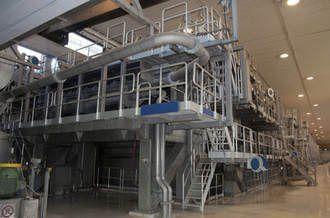
Drier Web Before Dryer Section
View projectsHide projects 6
LEAD / BioLEAP
Foam-forming pilot
Felt design for rewet
Displacement pressing
Trials at UW-Stevens Point (UWSP).
Ultrasonic dewatering
Laser drying
View research prioritiesHide research priorities
Understanding press section rewet and intra-web transport
- Develop general mathematical model describing water flow rate and direction in complex 3-D porous media
- Conduct experiments to isolate and quantify sources of re-wet
- Develop mathematical model including intra-nip modeling supported by sensor data to measure in-sheet moisture
Felt materials, felt/fabric/roll design
- Develop "adaptive" felt materials or structures with high permeability at high nip-loads and low permeability at low loads
- Identify or develop membrane supporting unidirectional or preferential water flow away from fiber web
Facilitating water release
- Develop options to shift or decouple strength/water retention relationship including alternative fiber surface treatments
- Investigate covalent bonding strength additives to reduce refining needs
- Investigate alternate chemical strategies to increase hydrogen bond sites without mechanical action and/or block fiber water absorption
- Develop understanding of relationship between fines fraction and water retention
- Investigate methods for increasing filler content and binding bonding material to bulking agent surfaces
View earlier workHide earlier work 2
Integrated modeling framework for simulating water removal at the press section
Leveraged high-performance computing at LLNL and LBNL to build an integrated, multi-physics modeling framework for press-section water removal.
Factors That Affect the Press Dewatering of Different Substrates
Suggested alternatives for achieving 60% solids at the paper machine drying section entry.
Links: Forthcoming
Black Liquor Concentration
Paused**Due to the first commercialization of membrane technology.
Cut energy used to concentrate black liquor with membranes; 23 TBtu target.
$95M
opportunity
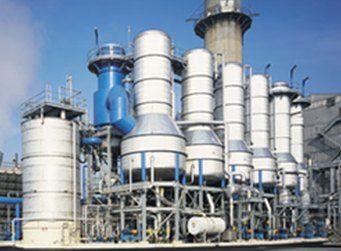
Black Liquor Concentration
View projectsHide projects 5
First commercial installation
Commercialized via Via Separations with International Paper and Global Cellulose Fiber.
Robust membranes for high-temperature, high-pH environments
Phase II focuses on RO membrane development for salt rejection, scale-up and optimization, plus business case completion. NF membranes with high lignin rejection rates were previously developed. Funded by APPTI member companies and the Renewable Bioproducts Institute at Georgia Tech; Phase II secured Department of Energy funding through the RAPID Manufacturing Institute.
Bench-scale membrane testing with characterization of streams
Tests commercially available membranes under industrial conditions to show membrane-based concentration can produce permeate suitable for combining with evaporator condensate in pulp washing.
Re-examining the 2015 roadmap for secondary technology development ideas beyond membranes
Seed investigation of applying laser technology to black liquor concentration at Worcester Polytechnic Institute
View research prioritiesHide research priorities
Technologies to overcome these barriers to membrane separation:
- Optimal separations of water, ions, and organics
- Robust membrane materials to withstand high temperature, high pH environments
- Advanced high-flux membrane systems
- Membrane fouling impacting system availability
- Process optimization and integration with existing pulp mill systems
Documents
- Industry perspective on membrane developments (December 2021)142 KB
Energy Efficiency & Innovation
ActiveEnergy efficiency, electrification, low-carbon fuels and carbon capture.
Bandwidth Study update with DOE
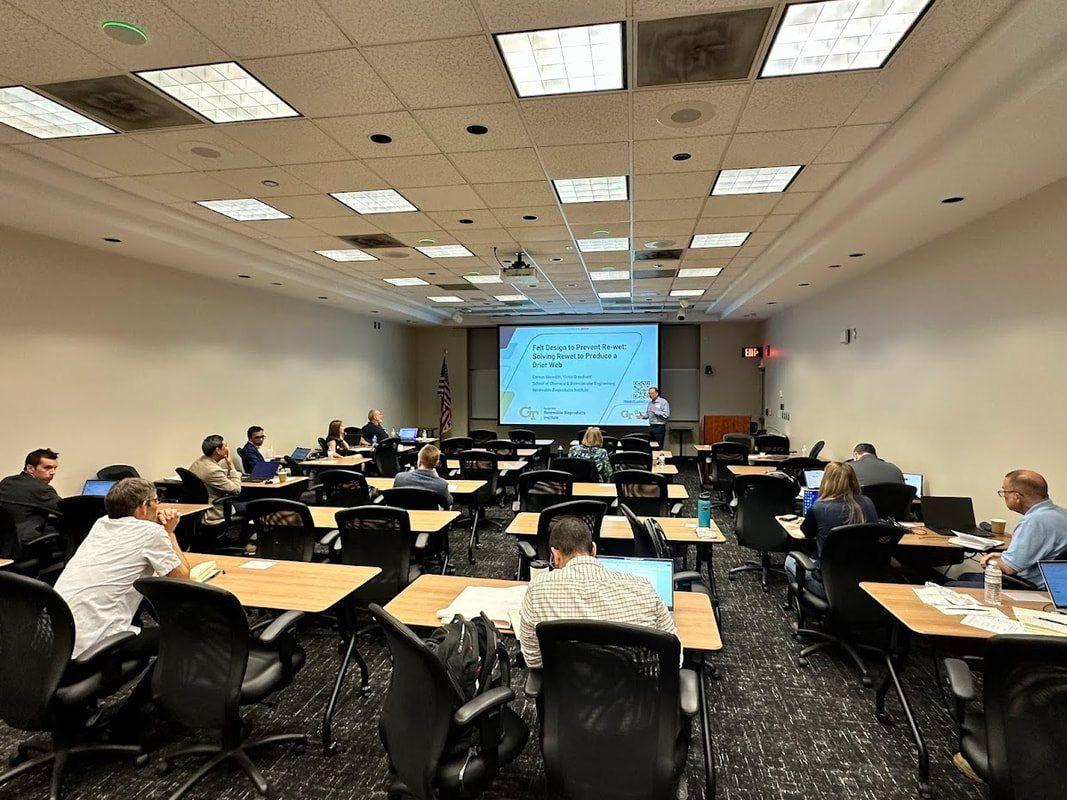
U.S. Pulp & Paper Industry Decarbonization
View projectsHide projects 3
Decarbonization Workshop
Carbon capture, biogas from waste streams and lime kiln alternatives.
Roadmap issued to DOE
The committee is developing RFP materials for issue to research entities.
Energy Bandwidth Study update
The original study is from 2005 and was updated in 2015. This new update is funded by DOE.
View research prioritiesHide research priorities
Pulp and paper R&D needs around energy efficiency, industrial electrification, low-carbon fuels, feedstocks and energy sources, and carbon capture.
The U.S. Department of Energy's Industrial Efficiency & Decarbonization Office (IEDO) held a workshop on Decarbonization Challenges and Priorities in Forest Products Industry.
Documents
- Decarbonization Workshop agenda (August 2024)125 KB
Related news
- APPTI holds Decarbonization Workshop Aug 13, 2024
Packaging Testing
ActiveMore accurate test methods and models for containerboard.
Cost reduction
The Miami University team began Phase 1 in 2022 and is now in Phase 2.

View projectsHide projects 1
Corrugated box model for time-dependent load scenarios
Finite element analysis to simulate rate-dependent package loading, measure containerboard properties and validate models for predicting performance.
View research prioritiesHide research priorities
Work that addresses these research gaps:
- Factors that impact field performance of packaging
- Development of more accurate and precise physical tests
- A greater understanding of the impact of environmental factors on box performance
- More comprehensive predictive models
Documents
- Packaging Testing Workshop report (2019)379 KB
Related news
- APPTI project: Corrugated Box Model 2022
- APPTI holds Packaging Testing Workshop Jun 25, 2019
Next-Generation Pulping
Paused25% less total energy or +5 points of yield.
~$950M/yr
potential
No active pre-competitive project right now. APPTI is scouting what's next.
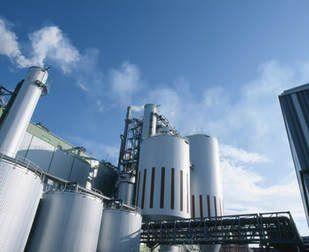
Next-Generation Pulping
View research prioritiesHide research priorities
Break the bleachable-yield barrier
- Develop a cost-effective bleach sequence for higher Kappa pulping processes with similar or better loadings to the waste treatment plant compared to current bleach processes
- Develop non-chlorine-based lignin activators to improve O2 delignification selectivity
Discover new, practical catalysts for pulping, oxygen delignification, and bleaching
- Complete a computational chemistry study to screen categories of potential catalyst
- Identify higher-performing catalysts for strength, yield, and selectivity improvement
Wood pretreatment chemistries to activate reactive sites in the lignin matrix
- Develop a chip activation method to facilitate pulping selectivity
- Explore oxidative alkaline pretreatments to remove a portion of hemicelluloses while activating lignin to subsequent kraft cooking conditions
View publicationsHide publications 14
- A.W. Rudie, P.W. Hart, "Catalysis: An Alternative to Kraft Pulping," TAPPI Journal, Vol. 13, No. 10, 2014, pp. 13-20. DOI: https://doi.org/10.32964/tj13.10.13
- P.W. Hart, "Enhancing Yield Through High Kappa Pulping," TAPPI Journal, Vol. 13, No. 10, 2014, pp. 33-35. DOI: https://doi.org/10.32964/tj13.10.33
- P.W. Hart, A.W. Rudie, "Anthraquinone – A Review of the Rise and Fall of a Pulping Catalyst," TAPPI Journal, Vol. 13, No. 10, 2014, pp. 23-31. DOI: https://doi.org/10.32964/tj13.10.23
- T.T. Kwok, C.O. Luettgen, M.J. Realff, A.S. Bommarius, "Lignin value prior to pulping (LVPP): An advanced pulping concept", TAPPI J. 2017, 16(10), 553-5
- NJ Chrisandina, TT Kwok, AS Bommarius, MJ Realff, "Techno-Economic Analysis of Water Precipitation for Lignin Value Prior to Pulping", Chem. Eng. Res. Des. 2019, 143, 4-10 (https://doi.org/10.1016/j.cherd.2018.10.042)
- TT Kwok, JR Bright, MJ Realff, AS Bommarius, "Pretreatment Efficacy and Lignin Solubility of Organic Solvents on Juvenile Slash Pine Chips for Lignin Value Prior to Pulping", Bioresources 2019, 14(3), 5988-6003
- TT Kwok, JR Bright, SR Vora, NJ Chrisandina, MJ Realff, AS Bommarius, "Solvent selection for Lignin Value Prior to Pulping", ChemSusChem 2020, 13, 267-273
- Cooper, Patil, Bu, Mou, Turpin, van Heiningen, Parks, Knott. "Pretreatment with Sodium Methyl Mercaptide Increases Carbohydrate Yield during Kraft Pulping." 2021. https://doi.org/10.1021/acssuschemeng.1c04332
- Naithani, Lucia, Jameel, Hart (2020). "Soybean Peroxidase Treatment of Ultra-High Kappa Softwood Pulp to Enhance Yield and Physical Properties." Tappi Journal 19, 437-443. 10.32964/TJ19.9.437
- Cooper CJ, Alam S, Nziko VdPN, Johnston RC, Ivanov AS, Mou Z, Turpin DB, Rudie AW, Elder TJ, Bozell JJ, Parks JM. "Co(salen)-Catalyzed Oxidation of Lignin Models to Form Benzoquinones and Benzaldehydes: A Computational and Experimental Study." ACS Sustainable Chem. & Eng. 8: 7225-7234. DOI: 10.1021/Acssuschemeng.0C01970
- Biannic, Bozell, Elder, "Steric effects in the design of Co-Schiff base complexes for the catalytic oxidation of lignin models to para-benzoquinones", Green Chem., 2014, 16(7) 3635-3642. http://dx.doi.org/10.1039/C4GC00709C
- Zuleta, Goenaga, Zawodzinski, Elder, Bozell, "Deactivation of Co-Schiff base catalysts in the oxidation of para-substituted lignin models for the production of benzoquinones", Catal. Sci. Technol., 2020, 10(2) 403-414. http://dx.doi.org/10.1039/C9CY02040C
- Key, Elder, Bozell, "Steric effects of bulky tethered arylpiperazines on the reactivity of Co-Schiff base oxidation catalysts—a synthetic and computational study," 2019, Tetrahedron, https://doi.org/10.1016/j.tet.2019.04.059
- Elder, Berstis, Zwirchmayr, Beckham, Crowley, "The application of computational chemistry to lignin" 2017, Proc. 19th International Symposium on Wood, Fibre and Pulping Chemistry
Related news
- Next-Generation Pulping Workshop Jun 14, 2022
- Energy Department funds APPTI-sponsored project to increase fiber yield Aug 30, 2016
Reuse of Process Effluents
PausedHalve average water use by 2030.
480B gal/yr
No active pre-competitive project right now. APPTI is scouting what's next.
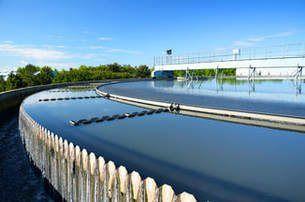
Reuse of Process Effluents
View projectsHide projects 1
Model development
A concept paper describing a predictive model to determine the water reuse options in the mill, and the corresponding ROI, was circulated for review. Several proposals to perform the modeling were received.
View research prioritiesHide research priorities
Paper machine whitewater reuse
- Develop cost-effective, operationally reliable technologies for the removal of suspended solids, especially in the 10-40 micron range
- Develop cost-effective technologies for the control or removal of dissolved colloidal substances
- Develop technology to effectively remove inorganic constituents (total dissolved solids and calcium) that cause scaling issues
Reuse of biologically treated effluents
- Determine a process for cost-effective reuse of biologically treated effluent in bleach plant applications
- Demonstrate the compatibility of treated effluents from five broad categories of mills with various process applications within these mills
Cellulosic Nanomaterials
PausedCommercial development of cellulose nanomaterials.
~$3M DOE SBIR
No active pre-competitive project right now. APPTI is scouting what's next.
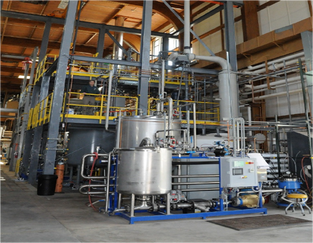
Cellulose Nanomaterials
View projectsHide projects 1
Biobased materials for advanced manufacturing (Hub and Spoke)
Sustainable biocomposite manufacturing research using forest products and cellulose fibrils to develop renewable, low-cost, energy-efficient biofeedstocks for large-scale additive manufacturing and other composite applications.
View research prioritiesHide research priorities
Research to enable application
- Determine composite systems, resins that will work with cellulose nanomaterials, conventional polymers and/or biodegradable varieties
- Develop other strategies for using nanocellulose in composite materials
Dewatering and drying
- Develop an economically viable dewatering and drying method that allows for re-dispersion
Characterization and testing
- Develop the ability to measure and characterize particle morphology and particle size
- Development of rapid, low-cost measurement methods for control
Documents
- Nanocellulose workshop news release (May 2019)410 KB
Related news
- Biobased Materials for Advanced Manufacturing webinar series Oct 14, 2022
- APPTI holds Nanocellulose Workshop May 8, 2019
The next advance starts with a conversation.
Bring your perspective to the research shaping our industry.